DEEP SEE FA33701012XS Sea Star Fins 053086704133 1/3
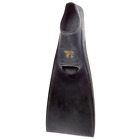
( Brand: Deep See ), ( Manufacturer Part Number: FA33701012XS ), ( Part Type: Star ), ( Country Region Of Manufacture: China ), ( UPC: 053086704133 )
Review DEEP SEE Ep Sea Star Adults Full Foot Fins 1/3
Sea star fins, also known as sea star arms orradial arms, are the limbs that radially extend from the central disc of a sea star, allowing it to move and grasp onto various surfaces in its marine environment. These fascinating appendages are essential for the sea star's locomotion, feeding, and respiration.
Sea star fins are composed of three layers: an outer epidermis, a middle mesoglea, and an inner endosteon. The epidermis, or outer layer, is covered in tiny tubefoots, which contain little suction cups and tiny hair-like structures that help the sea star cling to rocks, kelp, or other surfaces. The mesoglea, or middle layer, is a gelatinous substance that provides the necessary flexibility and strength for the sea star to move, stretch, and twisted its arms. The endosteon, or inner layer, is composed of tiny calcium carbonate plates called ossicles, which provide the rigidity and structural support for the sea star's body.
Sea star fins come in various sizes, depending on the species and size of the sea star. For instance, a small sea star might have fins measuring around 1 to 2 inches (2.5 to 5 cm) in length, while a larger sea star may have fins that can grow up to 20 inches (50 cm) or more. The color, texture, and pattern of the fins can also vary widely among different species, adding to their unique and captivating appearance.
The motion of sea star fins is a marvel of nature. Sea stars are able to move by lifting one fin and pushing against the seafloor or another surface with the other fin. As they move, the fins can also change shape, allowing the sea star to maneuver curves and move in various directions. This unique mode of locomotion, combined with their grasping ability, makes sea stars excellent navigators over rocky or uneven terrain.
Sea star fins play a crucial role in the sea star's feeding behavior. They are used to capture and manipulate prey, such as mussels, clams, and other invertebrates, by wrapping around them and prying them open. The sea star then uses its stomach to extend over the prey, passing food to its mouth and digesting it outside of its body. After feeding, the digestive process is complete, and the undigested shells and other material are expelled from the sea star's body.
In conclusion, sea star fins are an essential aspect of a sea star's anatomy, responsible for its locomotion, feeding, and respiration. Their unique structure, composed of three layers, allows them to adapt to various surfaces and shapes, enabling the sea star to navigate its marine environment with ease. The diversity in size, color, texture, and pattern among different species adds to their captivating appeal and highlights the wonders of marine life.
Buying sea star fins, also known as sea star arms or hands, can be an intriguing option for those interested in marine decorations, educational tools, or hobbyist projects. Here are some potential pros and cons to consider before making a purchase.
Pros:1. Unique and visually appealing: Sea star fins provide a striking and distinctive aesthetic. Their texture, shape, and natural colors can add visual interest to an aquarium or marine display.
2. Educational: For those interested in marine biology, owning real sea star fins can offer a hands-on educational experience. They can be used to study the anatomy and structure of sea stars up close.
3. Durable: Sea star fins are a natural, hard material. They can withstand handling and handling during cleaning or maintenance.
Cons:1. Ethical concerns: Obtaining sea star fins from live animals can raise ethical concerns. Harvesting sea stars from their natural habitat can cause harm, particularly if the stars are not collected sustainably or with proper permits.
2. Challenge of sourcing: Obtaining authentic sea star fins can be difficult and time-consuming. It may require extensive research to ensure the fins are genuine and ethically sourced.
3. Cost: Authentic sea star fins can be expensive, especially if they're sustainably sourced or from rare species.
4. Fragile: While sea star fins are durable, they can still be fragile. They may break or tear during handling, shipping, or if mishandled during care.
5. Requires care: Proper care and storage of sea star fins is essential to maintain their aesthetic appeal and longevity.
In conclusion, buying sea star fins has both advantages and disadvantages. While they offer unique visual appeal, educational benefits, and durability, there are also ethical, sourcing, cost, fragility, and care considerations to take into account. Ultimately, the decision to purchase sea star fins depend on an individual's priorities, values, and budget.
As a recommendation, for those interested in the unique visual appeal and educational benefits of sea star fins, it is recommended to explore alternative options such as purchasing replica fins from reputable marine supply stores or suppliers, who ethically manufacture and sell them. This way, they avoid any ethical concerns and reduce the impact on wildlife populations while still enjoying the benefits sea star fins offer.
Details:
Fins have a vivid, permanent sizing marked on top of foot pocket for easy identification, is black in color and is available in multiple sizes. Deep See Sea Star Adults Full Foot Fin is a soft and comfortable full foot fin with a semi-rigid blade for excellent propulsion. The Deep See FA33701012XS is in new condition.
specifications scusnor:
- brand: Deep See
- mpn: Fa33701012xs
- part type: Star
- country region of manufacture: China
- upc: 053086704133
Rating:
- rating: 99.7%
- # feedbacks: 75097
Returns scusnor.com:
- time: 30
- policy: returns accepted
- paid by: SELLER
Shipping scusnor.com:
- type: Standard Shipping
- type: CALCULATED
- carrier: UPS
- cost: $15.83
Payments scusnor.com:
- Credit Card
- Wallet
Offer scusnor.com:
- sold: 0
- best offers: no
- quantity: 1
- options: Ship-to-home
- Started: June 21, 2022, 2:09 am
General scusnor.com:
- condition: New
- in stock: Yes
- Sporting Goods > Water Sports > Scuba Snorkeling > Other Scuba Snorkeling
Deep See FA33701012XS Is Similar To:
- 1572 Deep See Echozip Zippered Boot Athletic Water Shoes Womens Sz (38.5% similar) Please double check the measurements provided to ensure a good fit. Gently preowned condition - only worn once or twice. All measurements are approximate and taken in inches, flat with the material at rest - double when applicable bust, waist, hips. Other clothing shown is not included unless ...(August 7th, 2018)
- 2540 Deep See Sea Neoprene Diving Gloves Wet Suit Sz Medium (37.3% similar) Deep See scuba diving gloves size mens medium innovative water equipment 2540 neoprene with palm coating box...(August 9th, 2018)
- 4fbor1ih6 Unbranded Ezdive Diving Scuba Wrist Compass Deep Sea 4894679234431 (16.8% similar) Store home mobile accessories garden laptop tablet automotive sports holiday jewelry camera clothing clothing kid clothing men clothing women health beauty video game music poker adult sex toys book office other endive diving scuba wrist compass Deep sea exploring supplies main features: creative ...(August 27th, 2018)
- 95161-15 Deep See Scuba Jetski Wetsuit Boots Sz Big Foot Eco (46.6% similar) Deep See scuba jet ski wet suit 5MM boots Zs 15 big foot Eco zip new...(November 1st, 2018)
- D67030 Aqualung Deep See By Aqua Lung Ocean Pack 053086006626 (32.7% similar) Soft foam spine pad and neoprene back. Heavy-duty KKK tooth zipper with anatomic pull extenders. Padded backpack straps with adjustable sternum strap. Elastic drawstring closure with barrel lock. Deep See by aqua lung ocean pack - deluxe mesh backpack the PAC is a heavy-duty made with reinforced ...(October 19th, 2018)
- Deep Sea Supply New Pro-fit (45.7% similar) Large size fits divers 6 ft. All edges and holes are carefully debarred. Lower slots allow easy mounting of doubles with bands that are not exactly at 11 centers. This results in greater comfort and a lower profile when used with single tank thick 300 series stainless steel. Precision water jet cut ...(May 30th, 2017)
- En250 Desco Air Hat Deep Sea Commercial Diving Welding Helmet W Welding Lens Extras (28.6% similar) Coast guard, the air hat has been awarded certification by the European community for use in EC member countries and carries the Ce stamped on the tail. Also standard, is a double air inlet elbow equipped with two non return valves. Threading on the non return accepts a standard oxygen fitting. ...(November 22nd, 2016)
- G30163 Unbranded Ezdive Scuba Diving Wrist Compass Deep Sea 014834209843 (19.1% similar) 15 x cm 4CM length x diameter twin heading indicators for alignment of compass course made in : brand: : abs,rubber,silicone oil gender: unisex color: black package weight. 97 inches package include: 1 x endive scuba diving compass. X inches package size l w h: 10. Endive scuba diving wrist ...(February 15th, 2019)
- D416318 Deep See Squeeze Lock Barnacle Nut Kit 053242178167 (43.1% similar) Import duties, etc. Please here. Are not included in the item price or shipping cost. Deep See barnacle nut kit - used to attach knife sheaths a number of CDs border: 5PX solid red toggle navigation serving scuba divers worldwide since 1974...(September 11th, 2020)
- Fa132118 Deep See Aqua Glide Snorkeling Fins Translucent Blue 053242338905 (35.9% similar) Deep Sees fin technology gives speed with less effort. This unique open heeled snorkeling fin with adjustable strap, neoprene heel pad, and comfortable foot pocket, allows use with or without a boot. The Deep See FA132118 is in new condition...(June 15th, 2022)
- Fa132117 Deep See Aqua Glide Snorkeling Fins Translucent Blue 053242338899 (35.9% similar) Deep Sees fin technology gives speed with less effort. This unique open heeled snorkeling fin with adjustable strap, neoprene heel pad, and comfortable foot pocket, allows use with or without a boot. The Deep See FA132117 is in new condition...(June 16th, 2022)